Basic Information
| Item | Detail |
|---|---|
| Full Name | Marlynn Myers |
| Known For | First wife of John Wayne Gacy; mother of two children |
| Spouse | John Wayne Gacy (married September 1964) |
| Children | Son (born February 1966); Daughter (born March 1967) |
| Divorce | Petitioned after Gacy’s 1968 sodomy conviction; finalized September 18, 1969 |
| Custody and Property | Awarded the home, property, sole custody, and alimony at divorce |
| Family Business Connection | Her father owned KFC franchises in Waterloo, Iowa; Gacy managed them in the mid-1960s |
| Public Profile After Divorce | Very limited; she and the children withdrew from public view |

The Marriage and Early Years
In September 1964, Marlynn Myers married John Wayne Gacy. Theirs began as a conventional midwestern marriage in a decade when the postwar promise still felt solid: a wedding, a new home, and soon, two children—a son in February 1966 and a daughter in March 1967. The couple’s life followed a familiar rhythm at first, with work, family gatherings, and the anticipations of a young household.
That sense of domestic normalcy would prove short-lived. Beneath the ordinary routines lay the beginnings of a rupture that would tilt the entire narrative of the family, and later, the nation’s understanding of Gacy himself. For Myers, the marriage turned in less than five years from a conventional union to a difficult moral calculation: protecting her children amid a legal and personal crisis.
Waterloo and the KFC Connection
A notable thread in the couple’s life was the Iowa chapter. Myers’ father owned Kentucky Fried Chicken franchises in Waterloo, Iowa, and Gacy moved there in the mid-1960s to manage those restaurants. This move represented both opportunity and the next step for a growing family. For a time, the infrastructure of a family business offered stability: a steady job, a predictable schedule, and the promise of advancement.
Waterloo, however, is where the center failed to hold. By late 1968, the marriage faced a sudden and public shock tied to Gacy’s conduct and the law. The working life that seemed steady in the context of franchise management was overshadowed by an offense that made headlines and upended Myers’ home.
The 1968 Conviction and a Definitive Break
In November and December 1968, Gacy entered a guilty plea on a sodomy charge and was convicted and sentenced. The legal result was swift and severe. In that same moment, Myers took decisive action: she petitioned for divorce and sought custody of their children. Her choice was firm, practical, and protective—anchored in the immediate need to secure the safety and stability of her family.
The divorce was finalized on September 18, 1969. The court awarded her the home, property, alimony, and sole custody. In the period that followed, Gacy served time, was released, and eventually moved away from the first family’s orbit. He did not return to their lives. Years later, he would be arrested (1978) and convicted (1980) for murders that have become synonymous with his name—a separate and far darker chapter that unfolded far from Myers and the two children she was raising.
After the Divorce: Privacy as Protection
Following the divorce, Myers and her children largely withdrew from public life. Step by step, year by year, they chose the unlit path—privacy instead of public accounting, quiet instead of commentary. That decision created a buffer between the children and the relentless attention that surrounds notorious crime.
In the decades that followed, occasional references surface in features, documentaries, and retrospectives, but these tend to be brief and strictly factual: marriage in 1964, two children in 1966 and 1967, a divorce after the 1968 conviction, and a life lived elsewhere, deliberately separate.
The Children: Michael and Christine
Public accounts identify the children as Michael (born February 1966) and Christine (born March 1967). Like their mother, they have avoided publicity. Reports indicate name changes and a conscious effort to construct adult lives outside the shadow cast by their father’s crimes. The point is less about precise biographical detail and more about the principle: privacy as a shield and a strategy.
In narratives about families touched by infamy, the children’s stories often become footnotes; here they are intentional silences. Their mother’s decisions in 1968 and 1969—swift, clear, and protective—laid the groundwork for those silences and for the possibility of ordinary adulthood.
In Popular Memory and Media
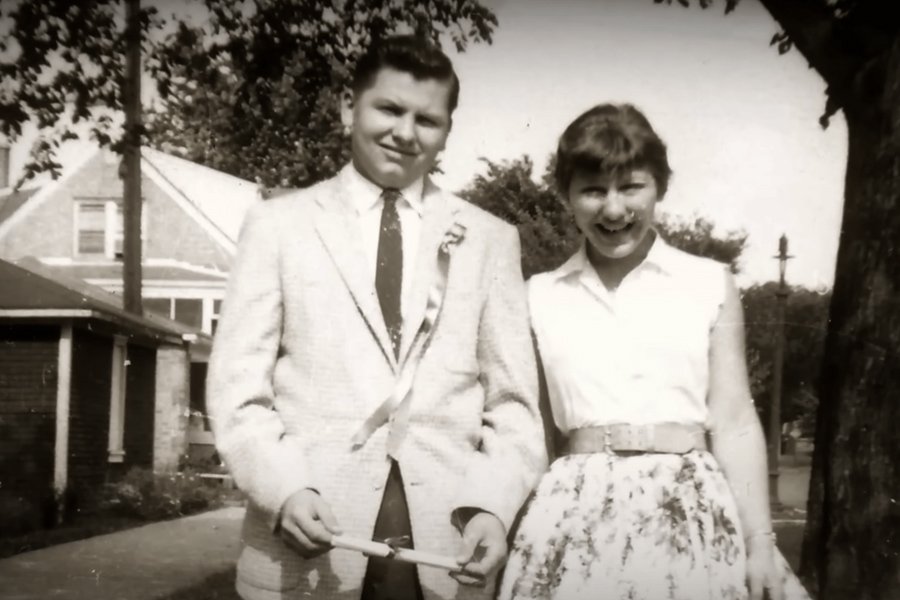
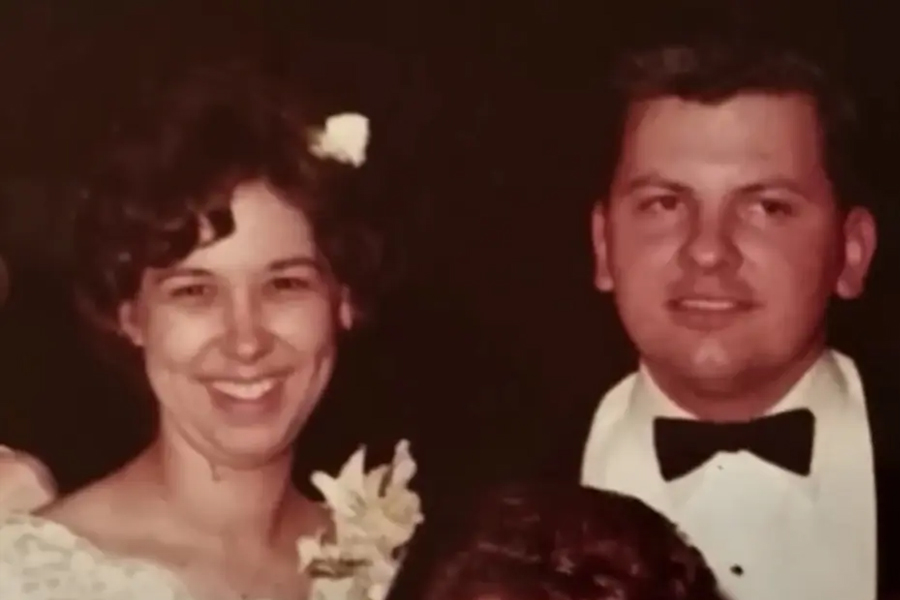
When modern audiences revisit the Gacy case—whether via docuseries, podcasts, or long-form features—Myers appears as a crucial but brief presence. She is the spouse who married him in 1964, the mother who had two children with him in 1966 and 1967, and the woman who petitioned for divorce in 1968 and finalized it in 1969. She is sometimes seen in archival photographs: a wedding portrait, a domestic snapshot, a frozen moment before the timeline fractures.
These references function as context: they show that before notoriety, there was a family; before headlines, there was a house and a pair of newborns. In that light, Myers becomes a reminder of how ordinary lives can be interrupted by extraordinary harm, and how, sometimes, the most profound response is to step away and build quietly elsewhere.
Timeline Overview
| Date | Event |
|---|---|
| September 1964 | Marriage of Marlynn Myers and John Wayne Gacy |
| February 1966 | Birth of their son (commonly reported as Michael) |
| March 1967 | Birth of their daughter (commonly reported as Christine) |
| November–December 1968 | Gacy pleads guilty to sodomy; convicted and sentenced |
| December 1968 | Myers petitions for divorce and seeks custody |
| September 18, 1969 | Divorce finalized; Myers awarded home, property, alimony, and sole custody |
| 1970s onward | Myers and children live privately, avoiding public commentary |
Family and Personal Relationships
Marlynn Myers’ immediate family narrative is brief but consequential. Her marriage to Gacy lasted roughly five years, bracketed by two births and one defining legal crisis. Her father’s business connection—those KFC franchises in Waterloo—provided an early setting for the marriage and a practical tether for the family. After the 1969 divorce, Myers managed the household and raised her children away from public scrutiny.
She is not a public figure in the conventional sense. There is no catalogue of interviews, no published memoirs, and no personal brand to speak of. What exists is a few fixed points: marriage, children, divorce, withdrawal. In that spare constellation, the choice to live quietly functions as both survival and statement.
FAQ
Who is Marlynn Myers?
She is the first wife of John Wayne Gacy and the mother of his two children born in 1966 and 1967.
When did she marry John Wayne Gacy?
They married in September 1964.
How many children did they have?
Two—one born in February 1966 and another in March 1967.
Why did she divorce Gacy?
She petitioned for divorce after his 1968 sodomy conviction and finalized it in September 1969.
What was she awarded in the divorce?
She received the home, property, alimony, and sole custody of the children.
Did Gacy have contact with the family after the divorce?
No known contact occurred; he did not return to the first family’s life.
Where did the family live during the mid-1960s?
They had ties to Waterloo, Iowa, where Gacy managed KFC franchises owned by Myers’ father.
What is known about her life after the divorce?
She and the children chose a private life and avoided publicity.
What are the children’s names?
Public accounts refer to them as Michael (born February 1966) and Christine (born March 1967).
Does Myers appear in documentaries?
She is referenced in background segments and archival materials associated with coverage of the Gacy case.
Building A Backlink Reputation That Search Engines Trust
The Dig Day Playbook For Keeping Buried Utilities Out Of Trouble
Making Your 401k Investment Menu Work Smarter