Basic Information
| Field | Details |
|---|---|
| Full name | Lubomyra “Luba” (Spas) Farmiga |
| Known as | Luba Farmiga |
| Heritage/Nationality | Ukrainian-American |
| Occupation | Schoolteacher |
| Spouse | Mykhailo (Michael/Michal) Farmiga |
| Children | Seven — Victor, Vera, Stephan, Nadia, Alexander, Laryssa, Taissa |
| Notable for | Family matriarch; educator; cultural steward of Ukrainian traditions |
| Primary residences | Irvington and Whitehouse Station, New Jersey, USA |
| Languages at home | Ukrainian (at home), English |
| Public presence | Private, low profile |
A Portrait of Roots and Resilience
Luba Farmiga’s story is braided from language, lineage, and learning. Born to Ukrainian parents who endured the turbulence of post–World War II Europe and resettled in the United States, she carried a heritage marked by survival and renewal. In New Jersey, she and her husband, Mykhailo (often anglicized as Michael or Michal), created a home where Ukrainian was the first melody of childhood and tradition was a living, daily practice.
As a schoolteacher, Luba understood that education is more than school bells and report cards. It is the steady cadence of expectations, the quiet scaffolding of values, and the dignity of routine. Her home became a bilingual classroom, a rehearsal space for culture, and a refuge where seven distinct personalities grew into their own.
Marriage, Work, and a Household of Seven
Luba and Mykhailo raised their family in Irvington and later in Whitehouse Station, New Jersey, balancing a household of seven children with the practical realities of work. Accounts of the family reference Mykhailo’s career both in systems analysis and landscaping, an emblem of immigrant versatility and perseverance. Together, they built a home that prized hard work, mutual care, and cultural pride.
The numbers tell their own story: 2 parents, 7 children, 1 shared language at home, and decades of meals, milestones, and shared holidays. The Farmiga family became known publicly for two of its youngest daughters’ accomplishments in film and television, yet the family’s center of gravity remained steady and private.
The Farmiga Children at a Glance
| Name | Relation | Birth Year | Notes |
|---|---|---|---|
| Victor | Eldest | — | Private life |
| Vera | 2nd | 1973 | Acclaimed actress, director, producer |
| Stephan | 3rd | — | Private life |
| Nadia | 4th | — | Private life |
| Alexander | 5th | — | Private life |
| Laryssa | 6th | — | Private life |
| Taissa | Youngest | 1994 | Actress known for film and television |
Note: While Vera and Taissa are public figures, most siblings maintain low profiles, choosing family, work, and privacy over the spotlight.
The Teacher’s Touch: How Education Shaped a Household
Luba’s professional path as a teacher is written between the lines of her children’s stories. In interviews over the years, her daughters have echoed themes that sound like a lesson plan for life: prepare thoroughly, practice your craft, honor your words, and remember where you came from. Homework was expected; curiosity was encouraged. In moments when it made sense, homeschooling supplemented formal schooling, tailored to each child’s needs and rhythms.
This was not a home that chased spectacle. It was a home that tended gardens—literal and figurative—watering potential day after day, season after season.
Culture and Language: A Ukrainian Hearth in New Jersey
Inside the Farmiga household, Ukrainian was the language of affection, discipline, jokes, and family lore. English, the language of the broader world, came later, layered onto a foundation of heritage. Holidays followed the old-country calendar; recipes moved from grandmotherly intuition to daughterly hands. Community gatherings, dance, music, and church traditions knit the family to a diaspora that carried memories of distant towns and recent upheavals.
For the Farmiga children, this duality—Ukrainian at home, American in the neighborhood—offered a rich sense of identity. It’s a sturdy bridge between two banks, and Luba helped build it plank by plank.
Timeline of Key Family Milestones
| Year/Period | Milestone |
|---|---|
| Late 1940s–1950s | Luba’s parents, Ukrainian by birth, build new lives after WWII |
| 1970s | Luba and Mykhailo raise a growing family in Irvington, New Jersey |
| 1973 | Birth of daughter Vera |
| 1980s | Family life expands; Ukrainian traditions remain central |
| Late 1980s–1990s | The family resides in Whitehouse Station, New Jersey |
| 1994 | Birth of daughter Taissa |
| 2000s–2010s | Vera’s and later Taissa’s careers attract public attention |
| 2020s | Family remains close-knit; parents largely private, children independent |
Work, Means, and the Texture of Daily Life
Descriptions of the Farmiga household suggest modest, steady means—a teacher’s checkbook, a technician’s toolkit, and the grit to pivot when necessary. The image is familiar to many immigrant families: patchwork schedules, chore charts, potlucks, carpools, and weekend projects that become family legends. What shines through is not the pursuit of celebrity, but the craft of building a stable life in a new country.
Public Footprint and Media Mentions
Luba Farmiga herself has remained private, appearing in the public eye mainly through mentions in her daughters’ profiles or occasional family anecdotes. She is not known for a public social media footprint, and her influence is felt more in the character and choices of the family than in headlines. In this way, Luba’s legacy is quieter, yet deeply resonant: she is the keel of the family ship—mostly unseen, always stabilizing.
A Family Story Larger Than Fame
Two daughters became household names; the rest chose lives out of the glare. All seven were shaped by a home that balanced discipline with warmth, tradition with adaptation. In a cultural moment that often elevates the loudest voices, Luba’s example reminds us that the most enduring influence is often the softest—steady hands on the shoulder, a second language at the table, a teacher’s patient gaze that says, “Try again.”
FAQ
Who is Luba Farmiga?
She is a Ukrainian-American schoolteacher best known as the mother of seven children, including actresses Vera and Taissa Farmiga.
How many children does she have?
She has seven: Victor, Vera, Stephan, Nadia, Alexander, Laryssa, and Taissa.
What is her profession?
She has been described as a schoolteacher, an educator both inside and outside the classroom.
Where did the family live?
The family lived in New Jersey, notably in Irvington and later Whitehouse Station.
What languages were spoken at home?
Ukrainian was spoken at home, with English used outside and in schools.
Who is her spouse?
She is married to Mykhailo (Michael/Michal) Farmiga.
Is she active on social media?
She maintains a low public profile and is not known for an active public social media presence.
How are Vera and Taissa related?
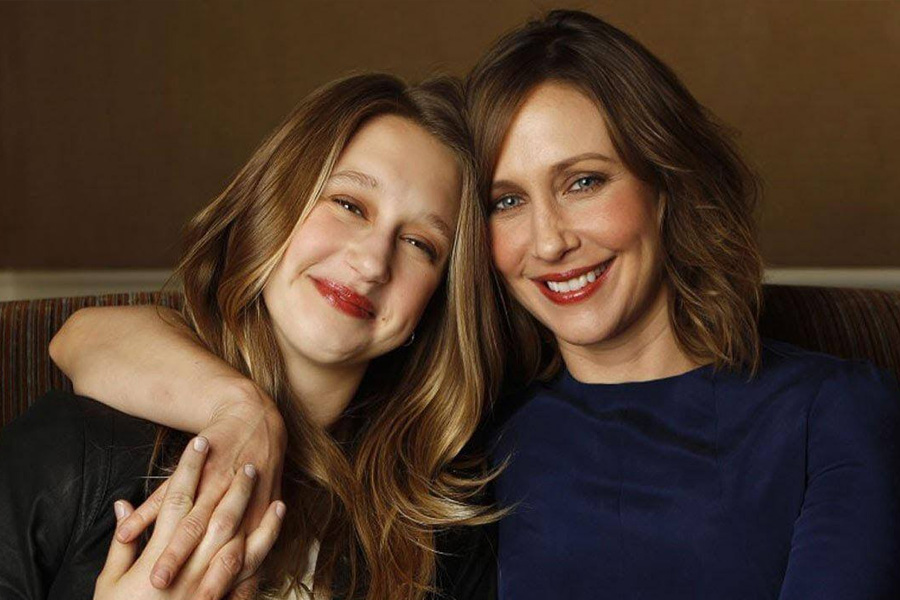
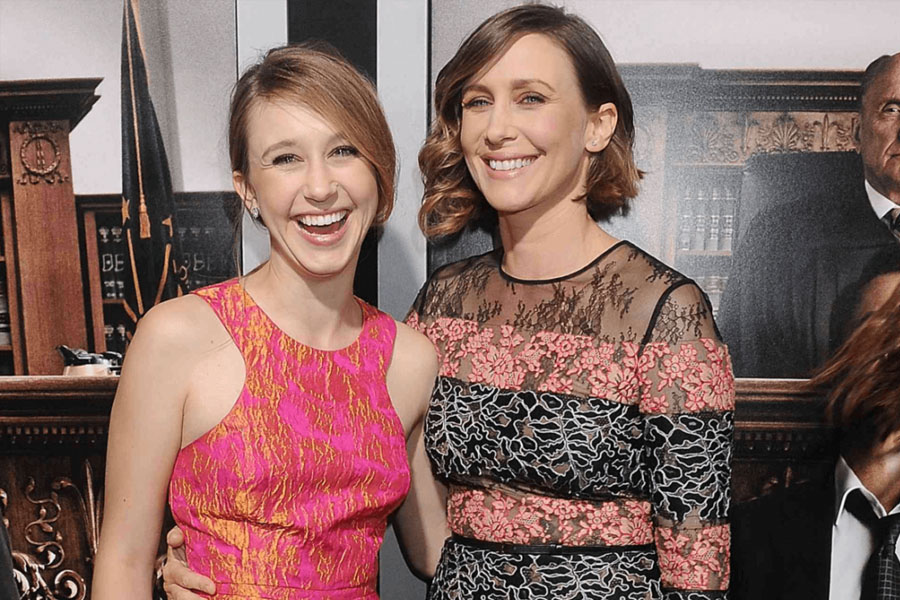
They are sisters; Vera is older (born 1973) and Taissa is the youngest (born 1994).
What is Luba Farmiga best known for?
She is widely recognized as the Farmiga family matriarch, a guiding educator, and a steward of Ukrainian heritage.