Basic Information
| Field | Details |
|---|---|
| Name | Wil Bakula |
| Occupation | Music producer, songwriter, multi-instrumentalist |
| Known For | Producer half of Portland pop/post-disco duo foamboy |
| Primary Project | foamboy (with vocalist/lyricist Katy Ohsiek) |
| Active Years | Late 2010s–present |
| Style | Electronic pop, post-disco, jazz-informed harmony, sleek synths |
| Scene | Portland, Oregon (recording, live shows, regional touring) |
| Family | Son of actor Scott Bakula and actress Chelsea Field; siblings include Chelsy, Cody, and Owen |
Origins and early spark
Every artist has a first spark—the click of an idea, the hum in the wires before the lights rise. For Wil Bakula, that spark manifests as meticulous pop architecture. He builds songs like modern houses: elegant lines, glassy textures, sturdy frames. Coming up in Portland’s collaborative music ecosystem during the late 2010s, he gravitated toward the behind-the-scenes craft—sound design, arrangement, mixing—that turns sketches into skyscrapers. By the time 2020 rolled in, Bakula’s name moved in lockstep with a new duo, foamboy, and a promise of pop with disciplined dazzle.
foamboy: blueprint of a duo
foamboy is the meeting point between two distinct instincts: Bakula’s crisp, thoughtful production and vocalist Katy Ohsiek’s melodic nuance. The duo leans into post-disco shimmer and electronic pulse while staying tethered to songcraft—hooks that settle in the ear, bass lines that nudge the body into motion. In the studio, Bakula’s role extends from composition to engineering, stacking synths like stained glass and treating percussion with a sculptor’s precision. Onstage, he shoulders keys, triggers, and textures that expand and contract around Ohsiek’s voice, creating a pop space that feels both intimate and architecturally grand.
Release timeline and milestones
Beneath the neon of foamboy’s sound lies a timeline of steady, intentful output. The duo’s debut full-length arrived in 2021, a calling card for Bakula’s flair for precision and groove-forward design. What followed were singles and visual work that layered personality onto polish: the buoyant bounce of “Better,” the cheeky snap of “Cool!?!” and the late-night flicker of “Exit Sign,” each piece refining the duo’s sonic identity. Across 2022–2024, the project broadened with new singles, a sophomore cycle, and a cadence of videos that showcased Bakula’s production and arrangement fingerprints—immediate on the surface, intricate under the hood.
Selected discography overview
| Year | Release | Role (Wil Bakula) | Notes |
|---|---|---|---|
| 2021 | Debut LP | Producer, co-writer, mixer | Introduced foamboy’s polished post-disco/electronic palette |
| 2021–2022 | Singles (e.g., “Better,” “Logout”) | Producer, co-writer | Built momentum with indie premieres and regional buzz |
| 2023 | “Cool!?!” and additional singles | Producer, co-writer | Tighter synth work, cheeky rhythmic pivots |
| 2024 | Follow-up cycle and videos | Producer, co-writer, visual credits | Expanded sonic colors, refined low-end architecture |
Sound, method, and the producer’s eye
Bakula’s music thrives on contrasts. He pairs satin-smooth keys with syncopated percussion; warm, rounded bass with a prismatic top end; unhurried vocal phrasing with agile rhythmic schemes. The technique reflects a producer who listens for space as much as for sound. Where another arranger might fill every corner, Bakula leaves air—pockets for groove to breathe, for the vocal to bloom, for a synth to flash and disappear like a streetlight turning on at dusk. He favors clean sonics, stereo play, and subtle harmonic lifts that reward repeat listens. If the songs feel like modern architecture, the mix is the atrium: light-filled, purposeful, and precise.
Stages, community, and the Portland pulse
Portland functions as a creative laboratory for foamboy, and for Bakula as a builder of live sound. Local halls—Mississippi Studios, Holocene, Doug Fir—have hosted their sleek, dance-minded sets, while regional festivals and showcases have pulled the project onto bigger stages. In performance, Bakula’s role is both engineer and performer, keeping the low frequencies tight and the transitions seamless, letting a set unfold like a DJ mix dressed in live pop clothing. It’s a study in momentum: the kind that convinces a crowd to lean forward, then stand, then move.
Select live highlights
| Year | Stage | City | Notes |
|---|---|---|---|
| 2021 | Album-release shows | Portland, OR | First full-length brought to stage with expanded arrangements |
| 2022 | Regional club circuit | Pacific Northwest | Sleek live rig; synth-forward, dance-leaning sets |
| 2023–2024 | Festival and showcase dates | Various | Momentum builds around singles and video rollouts |
Family tapestry: roots and throughlines
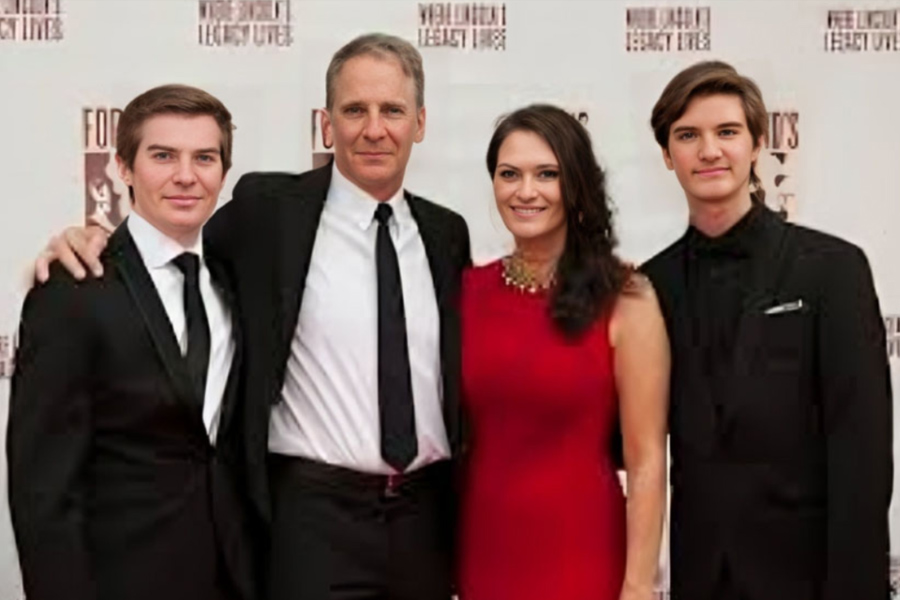
Wil Bakula’s family is threaded through with performance and craft. He is the son of actor Scott Bakula, known for television milestones across decades, and actress Chelsea Field, whose film and television work spans a similarly broad arc. From that foundation, conversation about timing, storytelling, and professionalism isn’t theoretical—it’s dinner table language.
Bakula’s siblings form a constellation across creative and personal pursuits. Chelsy Bakula, a half-sister from Scott’s earlier marriage, appeared onscreen as a child and has maintained ties to the arts. Cody Bakula, a half-brother, has been referenced in public family profiles over the years. Closer in age, Owen Bakula shares a generational lens with Wil and has featured in arts-adjacent circles, including dance and performance. Across this family landscape, the throughline is evident: a respect for craft and a comfort with stages—whether they are sets, studios, or theaters.
While family lineage can open doors, it doesn’t write songs or dial in a mix. Wil’s trajectory underscores this distinction. His work reads as earned: local shows, disciplined releases, the unglamorous hours of arrangement and revision that most listeners never see. If heritage set the scene, his catalogue fills it with sound.
Collaboration as a creative engine
At the heart of Bakula’s process lies collaboration. foamboy is a two-person dialogue sharpened by trust; ideas can be challenged without defensive edges, and the best version of a song can outrank any individual ego. That spirit extends outward: visual collaborators, live engineers, and fellow producers have all intersected with the project’s growth. It’s a small ecosystem fueled by shared taste and a mutual appetite for detail—a reminder that great pop is rarely a solo enterprise.
The road ahead
Independent artists measure time differently: not just by years, but by cycles—writing, recording, release, refinement. Bakula’s recent output suggests a creator mid-ascent, still fascinated by the scaffolding of a great hook and the chemistry that ignites when production slots perfectly around a performance. Expect more experiments at the edges of dance and pop, more meticulous low-end, and more focus on the tiny moves that make a chorus feel inevitable.
FAQ
Who is Wil Bakula?
Wil Bakula is a Portland-based music producer, songwriter, and the producer half of the pop duo foamboy.
What is foamboy?
foamboy is a two-person project pairing Bakula’s sleek production with vocalist/lyricist Katy Ohsiek’s melodies and narratives.
What kind of music does he make?
Electronic-leaning pop with post-disco groove, jazz-informed chords, and clean, modern mixes.
When did foamboy release its debut?
The debut full-length arrived in 2021, followed by a steady run of singles and videos.
What are some notable tracks?
Standouts include “Better,” “Cool!?!” and “Exit Sign,” each reflecting Bakula’s refined synth work and rhythmic design.
Where is he based?
Portland, Oregon, where the duo records, performs, and collaborates within the city’s indie ecosystem.
Who are his parents?
He is the son of actor Scott Bakula and actress Chelsea Field.
Does he have siblings?
Yes—siblings include Chelsy, Cody, and Owen.
Does he perform live?
Yes; foamboy plays clubs and regional festivals, with Bakula handling keys, programming, and live sound architecture.
What defines his production style?
Economy and detail: polished synths, warm low-end, and arrangements that leave space for the vocal to bloom.